

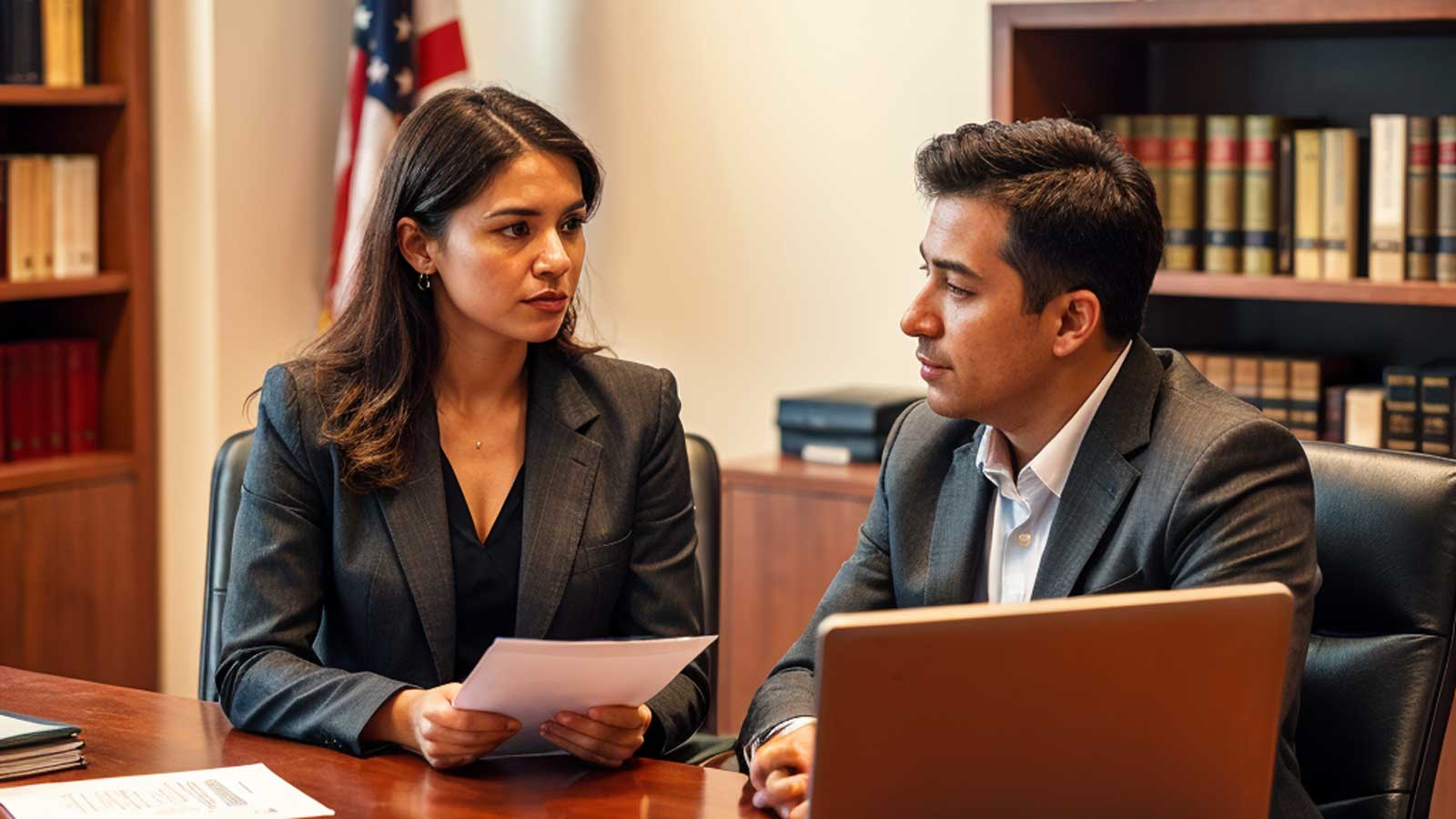
Marriage green card lawyer Miami Falling in love with someone from another country is one of the most meaningful experiences a person can have. Turning that relationship into lawful permanent residence, however, involves a process that can feel overwhelming. A trusted marriage green card lawyer in Miami can help you understand each step, avoid costly errors, and protect your family’s future in South Florida.
This guide walks you through the marriage green card process from start to finish. It is written for couples in Miami, Miami-Dade County, and across Florida who want a clear picture of what to expect. By the end, you will understand the timeline, the paperwork, the common mistakes, and the value of experienced legal representation.
Todd Law, P.A. has helped families navigate immigration matters for more than 25 years. The information below reflects that long experience serving the South Florida community.
What Is a Marriage Green Card?
A marriage green card grants lawful permanent residence to the spouse of a U.S. citizen or lawful permanent resident. It allows the foreign spouse to live and work permanently in the United States. After meeting certain requirements, the green card holder may later apply for citizenship.
The benefit is family unity. U.S. immigration law gives married couples a recognized path to build a life together. The challenge is that the process is detailed, document heavy, and unforgiving of mistakes.
Marriage green cards fall under the broader category of family-based immigration. Many families in Miami-Dade County begin their journey here before exploring other immigration benefits down the road.
Who Qualifies to Sponsor a Spouse in Florida?
To sponsor a spouse, the petitioning partner must be either a U.S. citizen or a lawful permanent resident. The marriage must be legally valid and genuine. Immigration officers look closely for evidence that the relationship is real and not entered into for immigration purposes alone.
U.S. Citizen vs. Lawful Permanent Resident Sponsors
The sponsor’s status affects how quickly the process moves.
- U.S. citizen sponsors can petition for a spouse as an immediate relative, which means there is no annual visa cap and no waiting line for a visa number.
- Lawful permanent resident sponsors petition under a preference category, which can involve longer waiting periods before the spouse can move forward.
Understanding which category applies to you is one of the first things a family immigration lawyer in Miami will review. The right strategy depends on your specific facts.
The Marriage Green Card Process Step by Step
The path generally follows a predictable sequence, though the details vary by case. Below is a simplified overview of how most cases proceed.
- File the Petition for Alien Relative. The sponsoring spouse files Form I-130 with U.S. Citizenship and Immigration Services to establish the qualifying relationship.
- Choose your path. The foreign spouse pursues either adjustment of status inside the United States or consular processing abroad.
- File the green card application. If the spouse is in the United States and eligible, the I-485 application for adjustment of status is filed, sometimes together with the I-130.
- Request work and travel authorization. Many applicants file for an employment authorization document and advance parole while the case is pending.
- Attend the biometrics appointment. USCIS collects fingerprints, a photograph, and a signature at a local application support center.
- Attend the green card interview. The couple appears together so an officer can confirm the marriage is genuine.
- Receive a decision. If approved, the spouse becomes a lawful permanent resident.
Adjustment of Status vs. Consular Processing
Adjustment of status applies when the foreign spouse is already in the United States and eligible to change to permanent resident status here. Many Miami residents pursue this route because it allows the couple to stay together during the process.
Consular processing applies when the spouse is outside the country. The case moves through a U.S. embassy or consulate abroad after USCIS approves the petition. Choosing the wrong path, or mishandling either one, can delay a case for months.
Documents You Will Need
Strong documentation is the backbone of a successful marriage green card case. Officers want to see clear proof of identity, eligibility, and a bona fide marriage. Gathering these early prevents delays.
Commonly required items include:
- Marriage certificate and proof of any prior marriages ending lawfully
- Birth certificates and valid passports
- Proof of the sponsor’s U.S. citizenship or permanent residence
- Financial documents supporting the affidavit of support, such as tax returns and pay records
- Evidence of a genuine relationship, including joint accounts, leases, photographs, and affidavits from people who know the couple
Every case is different, and the right evidence depends on your circumstances. An immigration attorney in Miami can help you assemble a package that anticipates an officer’s questions.
Common Mistakes Applicants Make in Miami-Dade County
Many denials and delays come from avoidable errors rather than ineligibility. Knowing the pitfalls in advance can save you time, money, and stress.
- Incomplete or inconsistent forms. Small contradictions between documents can trigger requests for evidence or interviews focused on credibility.
- Weak proof of a genuine marriage. Couples sometimes assume their marriage certificate is enough, when officers expect a fuller picture of a shared life.
- Missing the affidavit of support threshold. Sponsors who do not meet income requirements need a joint sponsor or other planning.
- Traveling without authorization. Leaving the country during adjustment of status without advance parole can be treated as abandoning the application.
- Filing without understanding past immigration history. Prior overstays, removal orders, or certain entries can affect eligibility and may require an immigration waiver.
These mistakes are common across South Florida, and they are often preventable with guidance from an experienced immigration lawyer in Miami.
What Happens at the Green Card Interview
The interview is the moment many couples worry about most. USCIS schedules it at a field office that serves the applicant’s area, and Miami residents are generally interviewed at the local field office serving Miami-Dade County.
An officer reviews the file, asks about the relationship, and confirms the information in the forms. Questions may cover daily routines, how the couple met, and shared responsibilities. The goal is to confirm the marriage is real.
Preparation matters here. Couples who know what to expect, have organized documents, and understand their own paperwork tend to feel far more confident.
Conditional Green Cards and Removing Conditions
If your marriage is less than two years old when the green card is approved, the spouse usually receives a conditional green card valid for two years. This is a normal part of the process, not a sign of suspicion.
Before the card expires, the couple must file to remove the conditions and provide updated evidence that the marriage continues to be genuine. Missing this deadline can put a person’s lawful status at risk.
Planning for this second filing from the beginning is one reason many families work with counsel through the entire journey rather than just the first step.
Why Work With a Marriage Green Card Lawyer in Miami
Immigration law is federal, but the way cases are handled, scheduled, and interviewed has a local rhythm that experience helps you anticipate. A skilled marriage green card lawyer in Miami brings both the legal knowledge and the practical familiarity that smooth the path.
Legal representation offers several clear advantages:
- A careful review of eligibility and the best filing strategy for your situation
- Help assembling persuasive evidence of a genuine marriage
- Preparation for the interview so you walk in informed and calm
- A plan for waivers, prior immigration issues, or removal of conditions if they apply
- A single point of contact who responds to requests from USCIS on time
For families in Miami-Dade County, that support can be the difference between a smooth approval and a stressful delay. The cost of a denial, in time and emotion, is almost always higher than the cost of doing it right the first time.
Disclaimer: Every immigration case is unique. This article is for general educational purposes only and does not constitute legal advice. You should consult a licensed immigration attorney about the specific facts of your situation before taking any action.
2. FAQ Section
1. How long does the marriage green card process take in Florida? Timelines vary, but many cases take roughly ten to twenty months from filing to approval. The exact time depends on the sponsor’s status, the filing path, and current USCIS processing at the field office serving Miami.
2. Can my spouse work while the green card application is pending? Yes, in many cases. Applicants pursuing adjustment of status can apply for an employment authorization document, which allows them to work legally while the case is reviewed.
3. Do both spouses have to attend the green card interview? Generally, yes. USCIS typically requires both the sponsor and the applicant to attend together so the officer can confirm the marriage is genuine.
4. What is a conditional green card? A conditional green card is issued when a marriage is less than two years old at approval. It is valid for two years, and the couple must later file to remove the conditions with updated proof of the marriage.
5. Can I still apply if I entered the country without a visa? It depends on your immigration history and how you entered. Some situations require an immigration waiver, so it is important to review your facts with a qualified immigration attorney in Miami before filing.
6. Why should I hire a marriage green card lawyer in Miami instead of filing on my own? A lawyer helps you choose the right strategy, build strong evidence, prepare for the interview, and avoid mistakes that cause delays or denials. Experienced guidance is especially valuable when there are prior immigration complications.